Jodhpur guide · itineraries
Three Jodhpur days: let the final day change the scale
The third day is valuable when it reveals something structurally different—a slower city, restoration landscape, earlier capital, or one carefully researched regional destination.
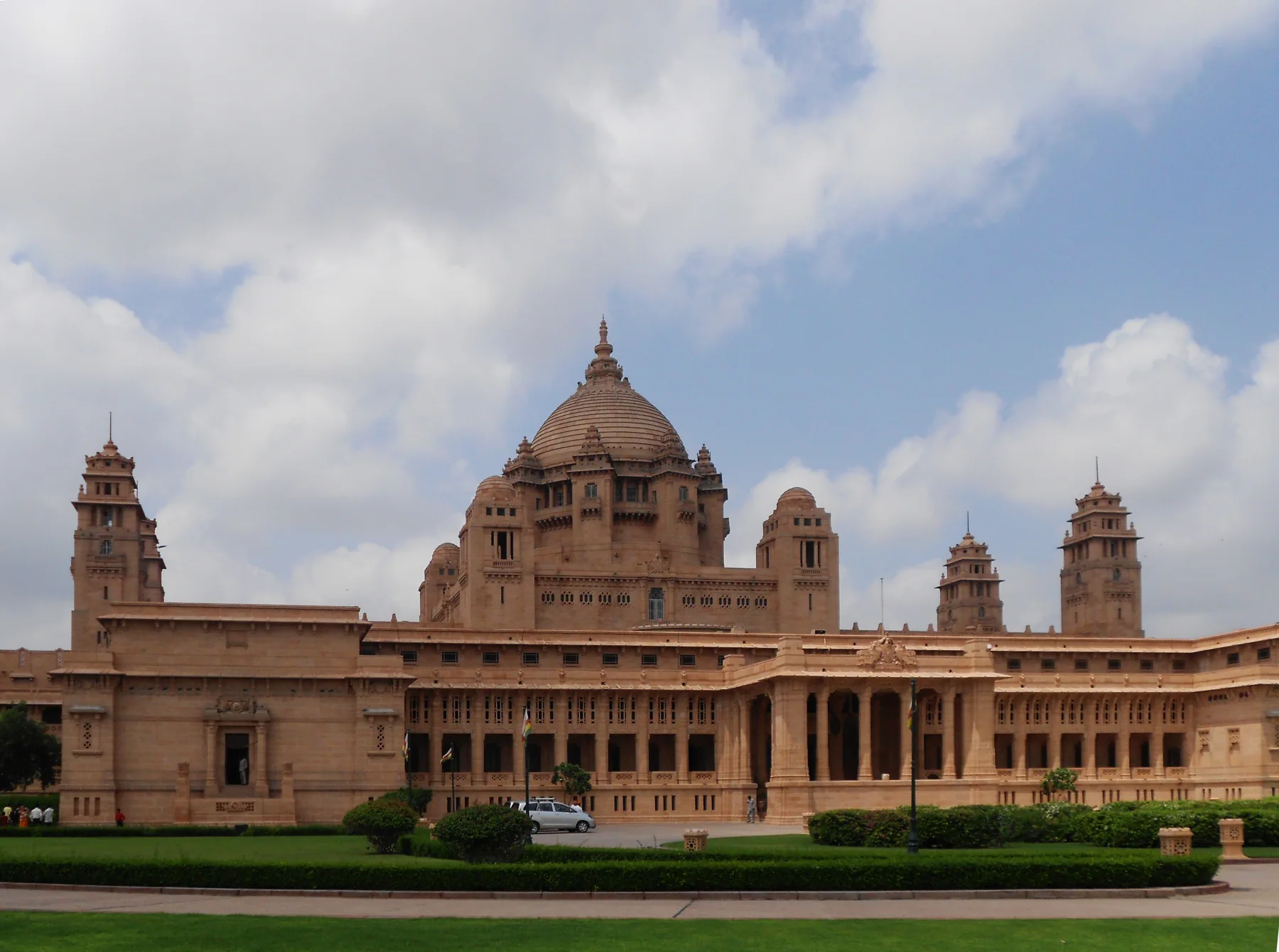
Photograph by Yann Forget (opens in a new tab)· CC BY-SA 4.0 (opens in a new tab)
Check before you go
Hours, tickets, schedules, routes and access can change. Use the dated source links below, then confirm time-sensitive details with the responsible operator or venue before you travel.
Direct answer
Three days give Jodhpur room to breathe. Keep the balanced two-day core, then let the third day change the scale: slower city and landscape, deeper historical geography, or one distinct regional destination.
The third day is not proof that every famous place should be added. It is a practical choice between depth and distance.
Option A: slow the city down
Choose this when the first two days already contain enough transfers, when heat or mobility makes a long road day unattractive, or when photography, food, craft, history, and neighbourhood observation matter more than a new pin.
A slow day could combine one currently confirmed landscape or institutional visit with unstructured time and a carefully built food or craft route. It should not be dismissed as “free time”; it is time for the city to stop behaving like a checklist.
Option B: landscape and restoration
Rao Jodha Desert Rock Park can anchor a day that reads geology, restoration, ridge, vegetation, and the fort together. Seasonal official hours are not enough. Confirm trail and heat conditions, guided-walk status, footwear and water guidance, accessibility limits, transport, and an exposed-weather fallback.
The water-and-land story can extend this layer through other sites only when their access, ecology, community use, and route make sense together. A lake is not automatically a leisure attraction, and a restored landscape is not an empty photo set.
Option C: earlier capital and longer history
Mandore can support a deeper account of the political geography before Jodhpur’s 1459 foundation. The day should connect site interpretation, present use, and the existing history guide. Confirm current status and route conditions; devotional and community contexts require respectful conduct.
Option D: one regional direction
Four possible regional directions are Osian, Khejarli, Khimsar, and Nagaur. Each needs its own current visitor information and place-specific context before it belongs in a reliable itinerary.
- Osian: temple history, living worship, travel burden, current access, and commercial desert products must be separated.
- Khejarli: ecological memory and the Bishnoi context require community-sensitive sourcing; the history cannot be reduced to an attraction stop.
- Khimsar: fort/hospitality access and surrounding experiences need exact public/commercial boundaries.
- Nagaur: the fort and city form a different historical destination with a substantial road-day burden.
Compare these by total road time, purpose, current route evidence, operator dependence, accessibility, community impact, and whether the visitor has enough time to engage beyond arrival photographs.
Reject the generic desert bundle
Do not merge temple visits, wildlife claims, camel rides, village visits, dunes, meals, and performances into one unexamined “authentic Rajasthan” package. Choose only with independent information, animal-welfare and wildlife checks where relevant, clear commercial disclosures, consent-respecting community conduct, and an alternative for visitors who do not want the product.
What to confirm before you go
The third-day decision is ready; the regional logistics are not universal. Confirm each destination’s road burden, current access, operator independence, community context, wildlife or animal-welfare conditions where relevant, accessibility and weather before choosing a day trip.
Sources behind this guide
Follow the sources—and know when to check again.
Official and institutional pages are linked with the date they were checked. They can establish a published fact, but not today's queue, route, access or conditions on the ground.
Source links
Official operator
Mehrangarh Museum visitor information (opens in a new tab)
Mehrangarh Museum Trust
Checked 13 Aug 2026· Current at last check
What this source does not tell you
- Hours, prices, concessions, closures, and access rules can change after the checked date
- The page does not prove queue time, visit duration, accessibility experience, or travel time
Official operator
Mehrangarh Museum Trust visit overview (opens in a new tab)
Mehrangarh Museum Trust
Checked 9 Aug 2026· Current at last check
What this source does not tell you
- The overview does not describe the route or a visitor's first-hand accessibility experience
- Every practical detail needs rechecking against the specific venue for the visit date
Official operator
Rao Jodha Desert Rock Park visitor page (opens in a new tab)
Mehrangarh Museum Trust
Checked 9 Aug 2026· Current at last check
What this source does not tell you
- The page is not a current trail-condition, heat-risk, accessibility, or guided-walk field report
- A park recommendation needs season-specific and on-ground checking
Government source
Jodhpur destination overview (opens in a new tab)
Department of Tourism, Government of Rajasthan
Checked 13 Aug 2026· Current at last check
What this source does not tell you
- Destination copy is not a substitute for venue-specific hours, prices, access, or current on-ground conditions
- Promotional wording does not independently establish current access or visitor conditions
- Its short reach section does not prove today's routes, operators, schedules, fares, terminal, road time, or last-mile availability
Government source
Climatological Information: Jodhpur station 42339, period 1991–2020 (opens in a new tab)
India Meteorological Department, Meteorological Centre Jaipur
Checked 9 Aug 2026· Historical dataset
What this source does not tell you
- The table is a 1991–2020 climate normal, not a forecast for a visitor's dates
- Station conditions do not describe every street, indoor space, or individual heat response
What this guide does not promise
- A ranked list of tour operators or commercial safari products
- Exact regional travel times, prices, or community experiences without current destination-specific confirmation